Thinking about owning a gas station? It can be a smart business move. But, like any investment, success comes down to strategy, management, and location. While it might seem like rising fuel prices mean bigger profits, the truth is a little more complex. Profitability in the gas station business depends on much more than fuel sales.
Let’s break down what really drives gas station profits and how owners can make the most of their investment.
How Much Does a Gas Station Owner Make?
In the U.S., gas station owner salaries typically range from $40,000 to $100,000* per year, but this can vary widely based on where the station is located, how it’s run, and the ownership model.
Some owners operate as part of major franchises that provide built-in brand recognition and supply support. Others choose to go independent, managing their own pricing, operations, and supplier relationships. Both paths can be profitable, but they come with very different risks and rewards.
Location is one of the biggest factors. Stations on busy highways or near urban centers naturally see more volume, while those in smaller towns or rural areas may rely on community loyalty and smart pricing to stay competitive.
And although higher gas prices might sound like good news, they don’t always translate into bigger profits. The price consumers pay at the pump is mostly made up of taxes, distribution, and wholesale costs, leaving station owners with slim margins.
Profit Margins on Fuel Sales
Fuel might bring in most of the sales, but it rarely brings in the profit. On average, U.S. gas stations earn less than 2% net margins on fuel sales.
Even large operators face the same challenge. For instance, Alimentation Couche-Tard, which owns thousands of stations across North America, averages just $0.47* per gallon in gross margins in the U.S.
Despite the low margins, fuel remains essential. It drives high sales volumes and steady traffic, which can open the door to other, more profitable revenue streams. In 2024, U.S. gasoline station sales exceeded $631.5 billion**, proof of how much potential there is when stations diversify their offerings.
Key Factors That Affect Profitability
Beyond fuel prices, several factors can impact how much a gas station earns.
Location & Market Demand
A prime location is often the difference between steady profits and slow sales. Stations near highways, office hubs, or shopping centers tend to perform better thanks to consistent customer traffic.
Other variables to consider include:
- Proximity to competitors: Lower-priced rivals can draw customers away.
- Nearby businesses or housing: A strong local customer base boosts daily sales.
- Seasonal demand: Tourist-heavy areas can experience sharp seasonal swings.
The more visible and convenient your station is, the greater your revenue potential.
Ownership Model: Independent vs. Franchise
Independent stations operate under their own brand, offering more control over pricing, marketing, and operations. That flexibility can lead to higher profits, but it also comes with greater responsibility, from equipment maintenance to compliance and supplier negotiations.
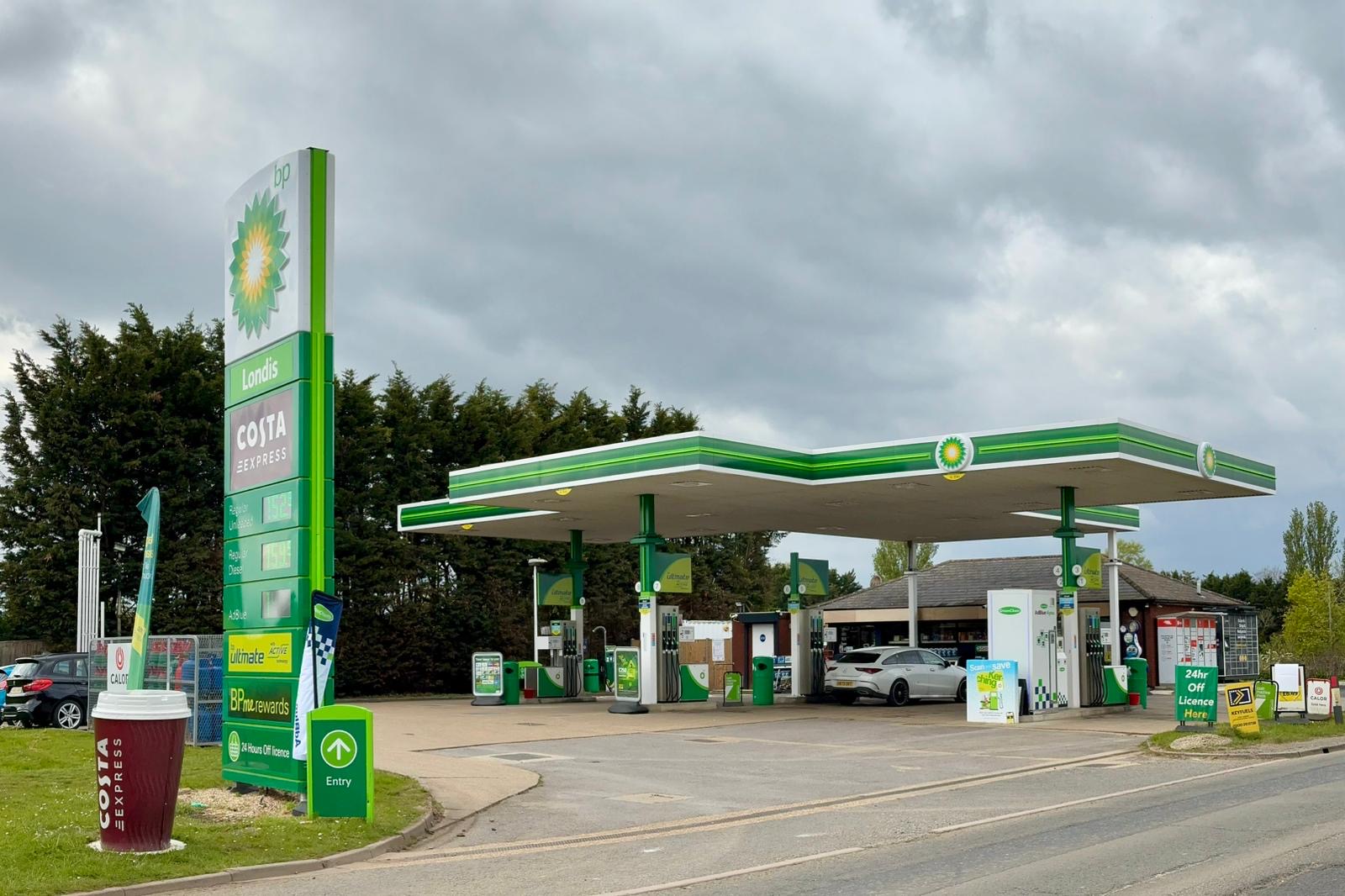
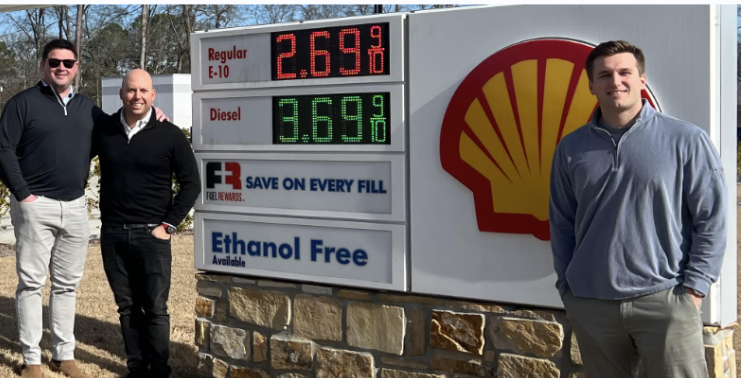
Franchised stations, on the other hand, operate under well-known brands like Shell, Chevron, or BP. They benefit from strong branding and corporate support but must follow stricter rules on pricing and operations. Franchise fees and limited contract flexibility can also impact profitability.
Buying vs. Leasing
Buying a gas station gives you long-term control and builds equity, but it comes with high upfront costs. Leasing is more affordable initially, though it often limits how much you can change or upgrade and may lead to higher costs over time.
The best choice depends on your budget, risk tolerance, and how hands-on you want to be with day-to-day operations.
Pricing Strategies
Another important factor that affects profitability for a well-established fuel retailer is the pricing strategy they use. It’s important to balance competitive pricing with healthy margins, a task that requires accurate, real-time visibility into fuel costs and performance.
Tools like EdgePetrol help retailers monitor live margin data and market trends, making it easier to adjust prices strategically and maintain profitability without guesswork.
Operating Costs to Watch
Strong sales mean little if costs aren’t under control. Here are four key expenses that affect profitability:
- Fuel supply costs: Wholesale prices fluctuate constantly. When they spike, profit margins shrink, especially if you can’t raise pump prices to match.
- Staff wages: Payroll is one of the biggest ongoing expenses, but good staff are essential for reliable service and security.
- Licensing, insurance & compliance: From environmental permits to liability insurance, compliance is non-negotiable. Missing a regulation can be costly.
- Maintenance & equipment: Pumps, car wash systems, and POS terminals all require regular servicing. Downtime means lost revenue.
The Bottom Line
So, is owning a gas station profitable? It can be, but it’s not a guaranteed moneymaker. The most successful owners think beyond the pump. They focus on location, smart cost management, pricing strategy, and diversified revenue streams to create a sustainable, long-term business.
Fuel might get customers in the door, but it’s everything else you sell, and how efficiently you run your operations, that determines your bottom line.
Book a call with the EdgePetrol team to explore how data can drive profitability at your stations.
*Source: https://www.paytronix.com/blog/how-much-does-a-gas-station-owner-make
**Source: https://www.statista.com/topics/5987/gas-stations-in-the-united-states/#topicOverview